To overcome Golden Dome ‘affordability’ hurdle, DoD needs acquisition reform, AI: Official
Marcia Holmes, DoD deputy director for Golden Dome, said AI and autonomy will "change how we deploy and use our weapons."
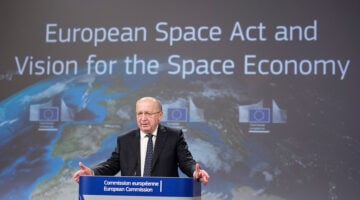
The State Department's damning critique argues that, if enacted, the draft law would imperil cooperation on "space weather, remote sensing, space exploration, spaceflight safety, space debris mitigation and remediation, [and] communications."
The defense sector is projected to account for only nine percent of the satellites going up between 2024 and 2035, but at the same time representing a whopping 48 percent of total market value.
Space Systems Command expects to issue a draft request for proposal by the end of the calendar year, a Space Force spokesperson told Breaking Defense.
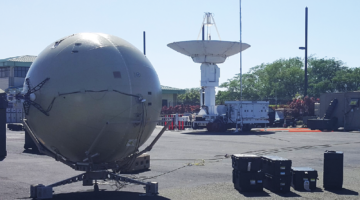
Space Systems Command is prototyping a Joint Antenna Marketplace to offload some of the SCN's burden and expand its capacity by using existing commercial and non-DoD agency antennas, rather than building costly new ones for the network.
The service needs to better detect and track on-orbit activity, and find objects that have been "lost" to its surveillance network, Chief of Space Operations Gen. Chance Saltzman said.
The reorganization of the JCO will involve two elements: setting up processes for JCO to provide commercial space monitoring data directly to operators and establishing an acquisition pathway for that data.
The draft EO would eliminate, waive and/or loosen federal environmental protection reviews required for launch licenses, including for those from Space Force ranges.
While US spending on national security space continues to dwarf that of the rest of world, non-US military space spending has jumped a whopping 76.5 percent over the last five years.
The new strategy strongly echoes the US Space Force's Commercial Space Strategy published in April 2024, and copies some of the implementation tools the service has put into place.
Beyond the potential consequences for the US industry, a reduction in NRO acquisition of commercial imagery also could directly impact US and allied military commanders in the field and US agencies charged with disaster relief, industry and government officials warned.
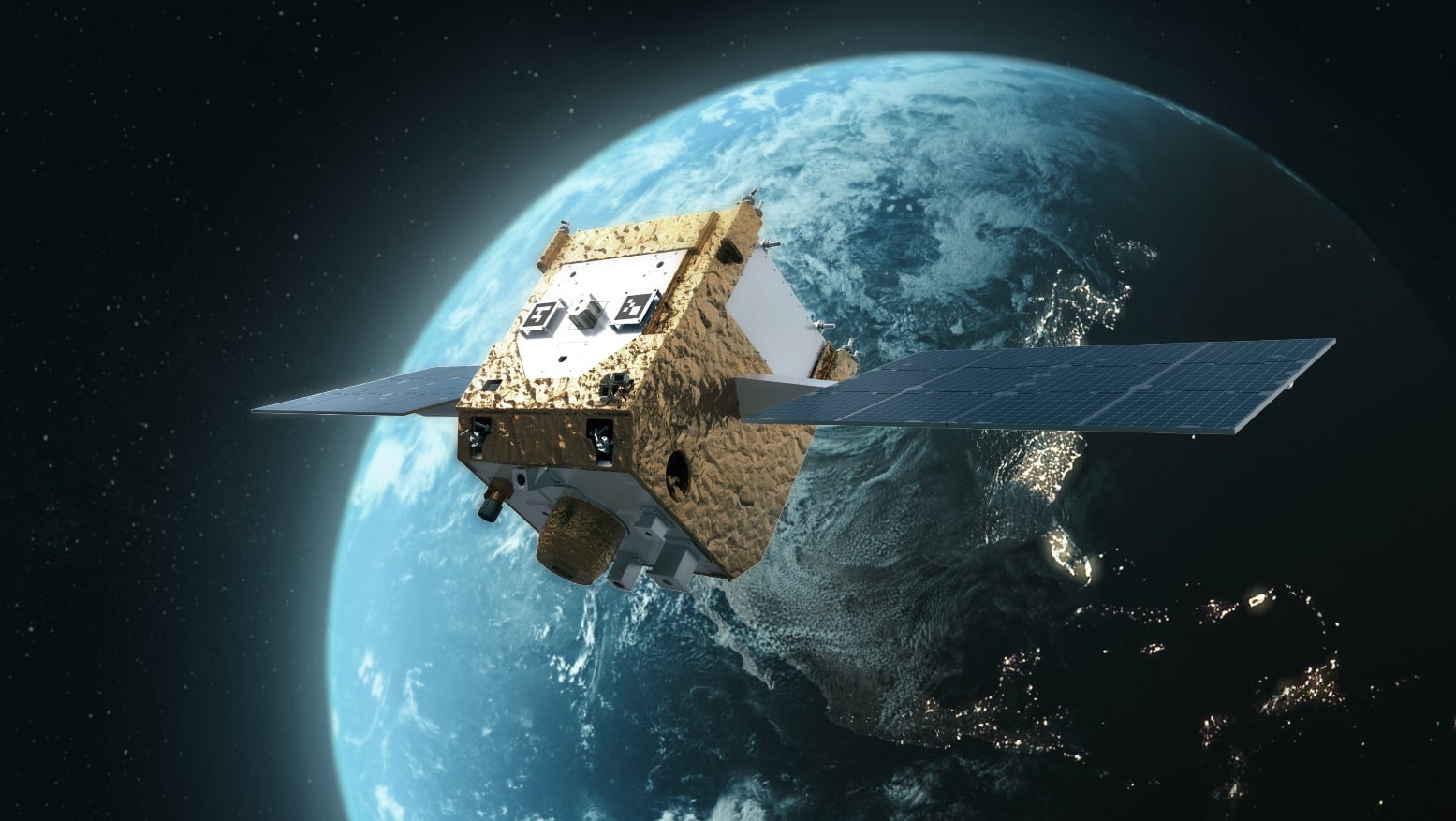
While the current focus on the TacRS program is space domain awareness, Col. Bryon McClain, SSC's head of Space Domain Awareness and Combat Power, said other sorts of operational missions might be undertaken in the future.
"It's a way for them to understand what the threat is, but also they will have the ability to reach back to the government if they actually see something. So, we're trying to have a give-and-take discussion," Col. Richard Kniseley, the head of SSC's Commercial Space Office (COMSO) that manages Front Door, told Breaking Defense in an interview March 21.
"Going back to pre-Ukraine supplemental procurement levels would see the USG buying only a small fraction of the US commercial SAR capacity available; hardly enough to support combat operations or sustain a healthy US industrial base," said David Gauthier.